
NATO Summit: Divergences on Military Spending and Ukraine's Accession
Jun 26,2025 | Elfbar
The Divide over Military Spending Target
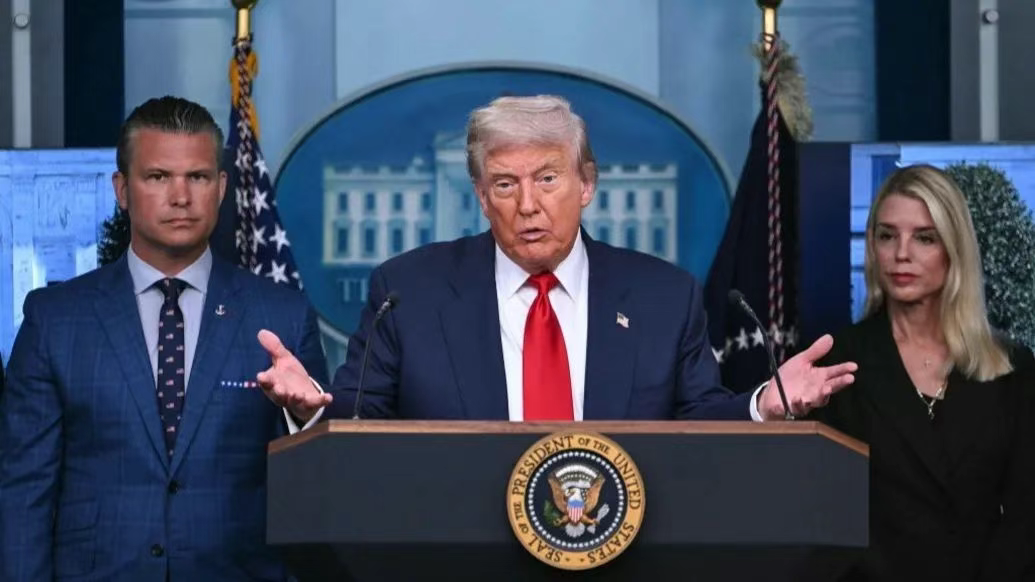
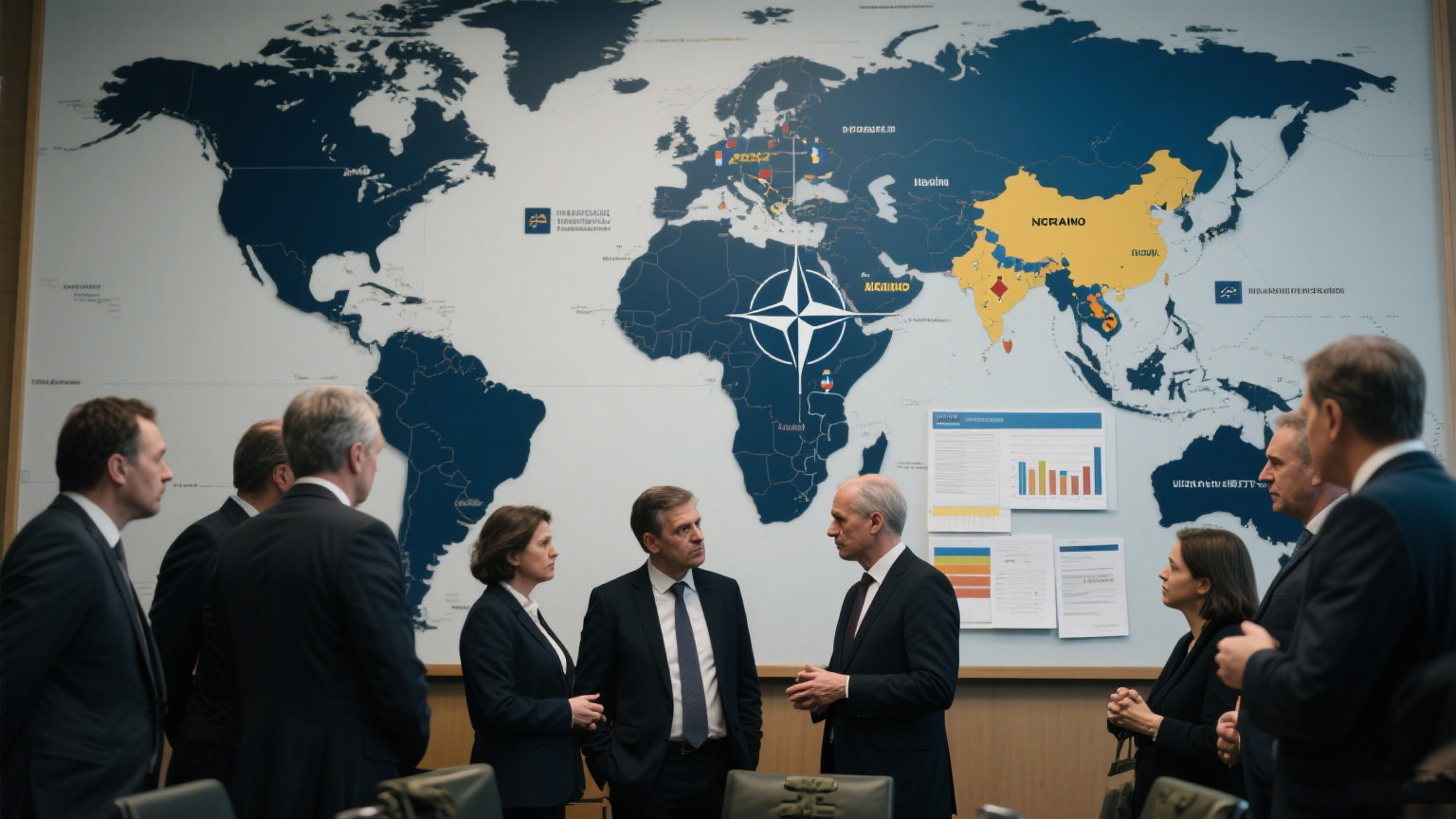
The recent NATO summit, meant to strengthen alliance unity, instead revealed significant divergences among member states. The 5% military spending target was a major contentious issue. Set to ensure adequate contributions to collective defense, not all members supported it. Some states facing economic hardships, such as those in Southern Europe still recovering from the global financial crisis, were reluctant to increase their military budgets. They argued that diverting funds to defense would harm domestic social welfare, infrastructure, and economic growth, as they grappled with high unemployment and heavy debt burdens.
![]()
Hungary's Opposition to Ukraine's Accession
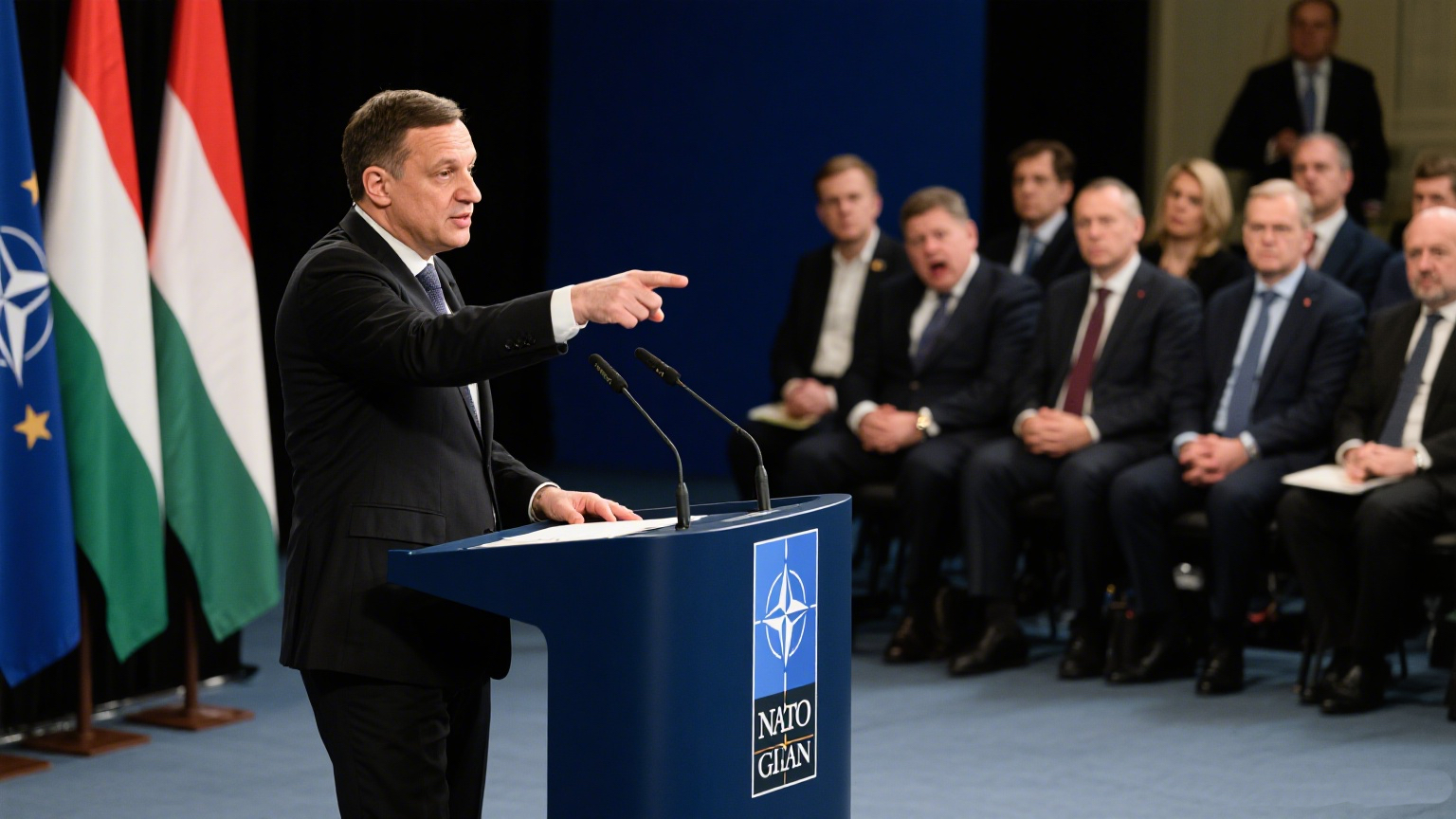
Hungary's firm opposition to Ukraine's NATO accession added complexity. Ukraine, facing ongoing tensions with Russia and the conflict in eastern Ukraine that displaced many, has long strived for NATO membership as a security measure. However, Hungary's stance created a major roadblock. Hungary's concerns stemmed from potential territorial disputes and ethnic issues, given its significant ethnic Hungarian minority in Ukraine. Moreover, its good relations with Russia in energy cooperation and political dialogue might have influenced its opposition, as it aimed to avoid straining ties with Russia.
![]()
Far - Reaching Consequences of the Disputes
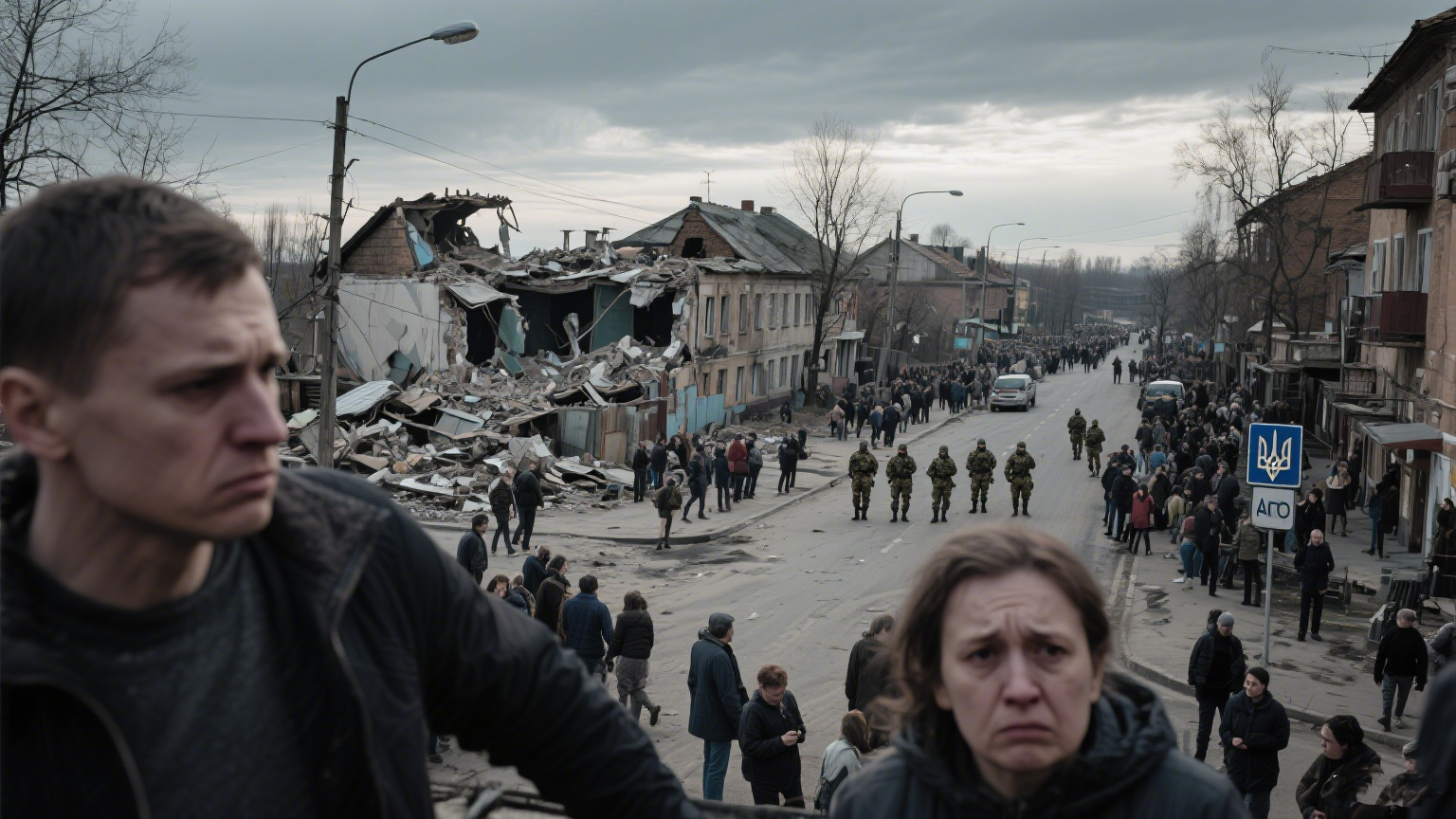
The outcome of these disputes has far - reaching implications. Unresolved divergences on military spending could weaken NATO's overall strength and its ability to handle emerging security threats like cyberattacks and terrorism. For Ukraine's accession, the uncertainty leaves the country vulnerable, affecting its security and having geopolitical ramifications for the region. Whether NATO members can find common ground and what the future holds for Ukraine's aspiration remain key questions that we'll closely monitor.
Comment